Opening Your Cabin After Winter: The First-Weekend Checklist
Spring is here and your cabin's been sitting empty for months. Here's what to check, fix, and restock that first weekend back.
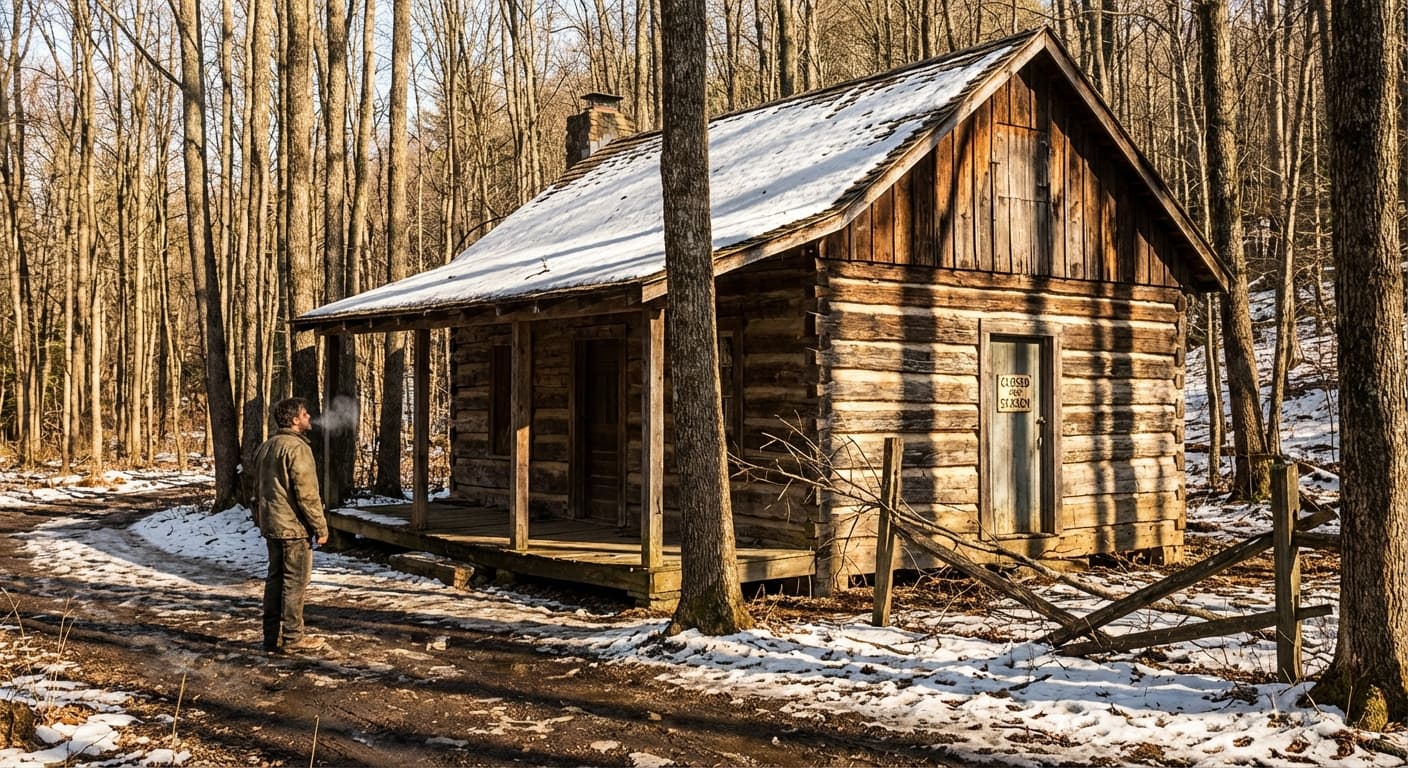
That first drive up after a long winter is half excitement, half dread. You're picturing coffee on the porch. Your brain is running a parallel thread about everything that could've gone wrong since November.
Pipes. Roof. Mice. That window you weren't sure you latched. A few simple sensors can catch the worst of these before spring.
I run the same checklist every spring. It's not glamorous, but it means I'm not spending Saturday night on my hands and knees with a flashlight under the kitchen sink.
Before You Leave Home
Don't show up empty-handed. Pack a kit with the stuff you'll definitely need:
- Cleaning supplies: All-purpose spray, paper towels, trash bags. Whatever you left behind last fall is either crusty or has become a mouse buffet.
- Mouse deterrents: Traps, steel wool, peppermint oil — pick your weapon. If mice got in (they got in), you want to deal with it immediately.
- Basic tools: Screwdriver, pliers, flashlight, duct tape. The cabin toolkit is always missing the one thing you need.
- Fresh batteries: Smoke detectors, CO detectors, flashlights, and that clock that's been wrong since October.
- Water test kit: If you're on well water, grab one from the hardware store. Test before you drink.
Throw a cooler in the car with enough food for two days. The nearest grocery store is never as close as you remember.
The Walk-Through
Fight the urge to drop your bags and crack a beer. Walk the full property first — outside, then inside.
Outside:
- Circle the building. Check the roof from the ground — missing shingles, sagging gutters, ice damage along the eaves.
- Look at the foundation for new cracks or water pooling.
- Test the deck and stairs by hand. Frost heave shifts posts and loosens railings over a single winter. I had a railing come clean off in my hand one year.
- Scan the trees near the cabin. Dead limbs overhead? A whole tree leaning at a new angle? Better to know now than after a thunderstorm puts it through your roof.
- Check your septic cover and any visible pipes for cracks or shifting.
Inside:
- Open the door and just stand there for a second. Smell the air. Mustiness is normal. Anything sharper — mildew, ammonia, something rotting — means you've got a problem to find.
- Look at ceilings and walls for water stains that weren't there in the fall. Cheapest leak detection system there is.
- Check under every sink and around the water heater. Bulging pipes, corrosion, water residue on the floor — all signs of freeze damage.
- Open cabinets and closets. Mice leave evidence. Droppings, chewed packaging, nests tucked behind the oatmeal you forgot to bring home.
Getting the Water Running
If you winterized properly (and you did winterize, right?), this is the biggest job of the weekend.
- Check the water heater drain valve — make sure it's closed before you touch anything else.
- Close every faucet and drain valve you opened in the fall. Every single one. Walk the whole place.
- Turn on the water supply. Slowly. At the well pump or main shutoff.
- Go to each faucet and open them one at a time, starting with the lowest point in the cabin. You'll get sputtering and coughing from the pipes. Normal.
- As the system pressurizes, check every connection. Under sinks, behind toilets, at the water heater. A hairline crack from freezing won't show until there's pressure behind it.
- Flush each toilet and let the tank refill.
- Fire up the water heater. Gas? Relight the pilot. Electric? Make sure the tank fills completely before flipping the breaker — heating an empty tank kills the element, and that's a $40 part plus a miserable cold shower.
If you used RV antifreeze in the drains last fall, run each faucet a few minutes to flush the pink stuff out. It's non-toxic but tastes awful, and you do not want it in your first cup of coffee.
The Stuff You'll Skip (But Shouldn't)
While the water heater warms up, knock these out before you lose motivation:
- Smoke and CO detectors. Test them. Swap the batteries even if they beep when you press the button — they've been sitting in an unheated building for months.
- Fire extinguisher. Check the pressure gauge. If the needle's in the red zone, put "buy extinguisher" on the list and don't forget about it.
- Propane tank (if you have one). Read the gauge. Schedule a fill if you're below 30% — propane companies get backed up once everyone else remembers to check theirs. See our full guide to managing your well, septic, and propane if you're new to this.
- Breakers. Flip each one off and back on. Test outlets, especially GFCIs in the kitchen and bathroom. Hit the test button, then reset.
- The dock. If you're on water, take a careful look before walking out to the end. Winter ice rearranges things.
Making It Livable
Once the mechanical stuff checks out, spend an hour making the place feel like yours again.
Open every window and door, even if it's still cold. Twenty minutes of cross-breeze clears out months of stale air and it's hard to overstate how much better the place smells after.
Wipe down all the surfaces. There's a film on everything — counters, tables, windowsills. It's just dust and settled air, but it makes the whole place feel neglected until you deal with it.
Put fresh sheets on the bed. Whatever's been on the mattress since last fall should go straight in a bag. Stock the bathroom — soap, toilet paper, a couple of towels.
If you've got a fire pit, light one that first night. Doesn't matter if it's still technically winter out. Nothing resets the cabin feeling like sitting around a fire with a drink, knowing the pipes work and the mice are handled.
Your first weekend back won't be relaxing. That's fine — it's a weekend of work so every trip after can be the thing you actually bought the place for.