Closing Up for the Season
The fall shutdown is the least fun day at the property and the most important one. A walkthrough of everything to button up before winter.
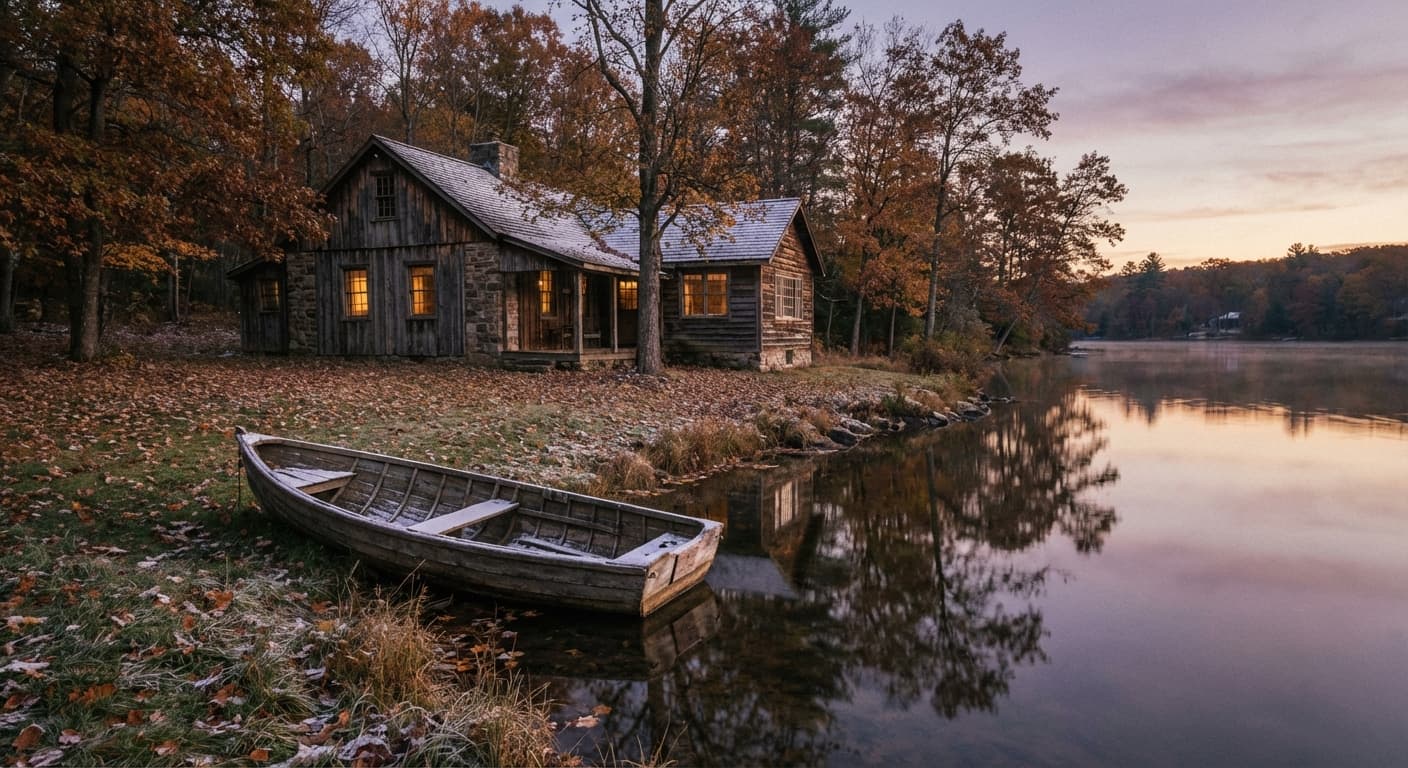
There's a specific kind of denial that kicks in around late September. The leaves are changing, the lake is getting cold, and you know your last visit of the year is coming up. But acknowledging that means acknowledging winter, which means a full day of chores instead of one last relaxing weekend.
Do the chores. A place that gets shut down properly in fall is one that opens without surprises in spring. Skip it, and you're looking at burst pipes, mouse damage, and a plumber bill that makes your eyes water.
Water First, Everything Else Second
If your property has any chance of freezing temperatures, water is the only priority. Burst pipes cause more off-season damage than everything else combined. And you won't know until April.
For cabins and lake houses:
- Turn off the water supply at the main valve.
- Open every faucet, hot and cold. The upstairs bathroom you barely use counts too.
- Flush all toilets and add RV antifreeze (not automotive, which is toxic) to the bowls and tanks. Same for sink traps and the shower drain.
- Drain the water heater. Open the drain valve at the bottom, open the pressure relief valve at the top. Let it go completely.
- If you're on a well, check your pump's winterization procedure. Some need the pressure tank drained. Some just need the breaker off.
- Disconnect and store outdoor hoses. Shut off exterior spigots from inside if you have interior shutoff valves.
For beach properties: Pipes rarely freeze on the coast, but if you're anywhere north of Virginia, don't assume. A January cold snap can freeze uninsulated pipes in a beach house that was built assuming nobody would be there in winter.
The Kitchen
Empty the fridge. All of it. That half-bottle of ranch dressing from August will become a science experiment by April. Unplug the fridge and prop the doors open with a rolled towel at the hinge. A closed, unpowered fridge grows mold faster than you'd think.
Take out all the trash. (I know. But every single spring, somebody opens a property to discover a kitchen garbage bag that's been fermenting since October. Take the trash with you when you leave.)
Check the pantry for anything mice would enjoy. Transfer dry goods to glass or metal containers, or just take them home. A box of crackers left in a cabinet is basically a welcome mat.
Heating: On Low or Off Entirely
This depends on whether you drained the plumbing.
If you couldn't fully drain everything, keep the heat on. Set the thermostat to 50-55 degrees. Yes, it costs money all winter. Less money than replacing burst pipes. Get the furnace serviced before you leave, not after. A heating system that dies in January with nobody around is the exact scenario you're trying to prevent.
If the plumbing is fully drained, you can shut the heat off. But a wifi temperature sensor is worth the $30. It pings your phone if the place drops below whatever number you set. Cheap insurance. (If you want to go further with remote monitoring, there are options beyond just temperature.)
For beach condos and desert properties where freezing isn't the concern: shut the HVAC down, but run a dehumidifier in humid climates. A Florida condo sealed up for four months without one will grow mold in places you won't find until you smell them.
Outside
Walk the perimeter before you leave. You're looking for anything winter will make worse: a loose gutter, a cracked window seal, a deck board starting to lift. Fix what you can. Write down what you can't so it doesn't catch you off guard in spring.
Trees. Trim anything hanging over the roof or near power lines. This feels unnecessary in warm September sunshine. It feels obvious in February after a branch loaded with ice rips your gutter off.
Furniture. Inside, covered, or flipped upside down. One season of rain and UV will age outdoor furniture faster than five summers of actual use.
Grills. Disconnect the propane, cover the grill or put it in a shed. Propane tanks go upright, away from the building.
Boats and docks. If you're on a lake, pull the dock if it's removable. Ice will wreck it. Get the boat out, winterized, and covered.
The Stuff Nobody Wants to Deal With
Check your insurance for a vacancy clause. Some policies reduce coverage when a place sits empty for more than 30 days. A quick call to your agent in October is worth more than finding out about the gap after something happens.
Tell your neighbors you're closing up. Give them a key and your number. Ask if they'd check on the place after big storms. Even a monthly walk-by helps.
If you have cameras or a security system, confirm everything's armed and working before you lock the door. Make sure the wifi stays on if your cameras are cloud-based. Set alerts so you're notified about real problems, not deer.
One last thing: put "open the property" on your calendar right now. Pick the date, set the reminder. In March you won't remember when you usually open, and you'll push it to May, and then you've lost a month of spring weekends. (When that day comes, the spring opening checklist picks up where this one leaves off.)