Keeping an Eye on Your Cabin When You're Away
Your cabin sits empty most of the year. Here's how to monitor it remotely without going overboard and what actually matters versus what doesn't.
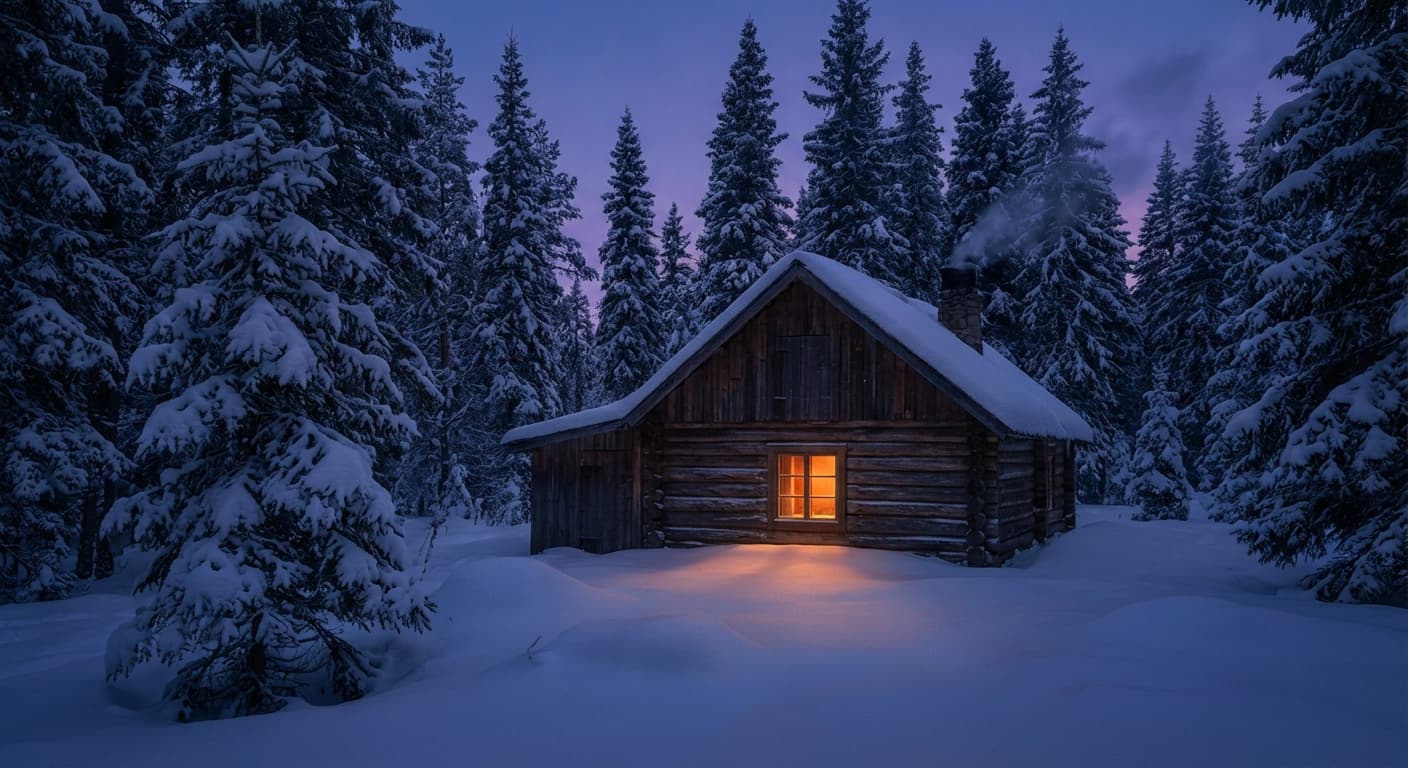
Your cabin is empty right now. It's probably been empty since your last visit. And it'll stay empty until someone books the next trip. That's a lot of hours where nobody's there to notice a water leak, a tree on the roof, or a window that blew open in a storm.
Most cabin owners handle this by just... not thinking about it. Which works until it doesn't. The first time you show up to a problem that's been quietly getting worse for six weeks, especially during spring opening, you start wondering if there's a better approach.
There is. And it doesn't require turning your cabin into a surveillance compound.
Start With a Neighbor
The most valuable monitoring system for a remote property is a person who lives nearby.
If anyone's within reasonable distance — year-round residents, a nearby property owner, a caretaker down the road — introduce yourself and swap numbers. Ask if they'd mind keeping an eye out. Most people in cabin communities are happy to do it, especially if you return the favor or give them an open invite to use the place during a quiet week.
What a neighbor catches that no gadget can: something that feels off. A car in the driveway that shouldn't be there. A door hanging open. Snow load building on the roof in a way that looks bad. Water running down the driveway when it's 20 degrees and everything should be frozen.
Compensate them. A gift card, a bottle of something nice, whatever fits the relationship. A neighbor who swings by once a month is worth more than any sensor you can buy.
Three Sensors Worth Owning
If you want technology in the mix, keep it focused. A few well-placed sensors catch the problems that actually cause expensive damage. Everything beyond that is mostly noise.
Temperature monitor. This is the one I'd buy first. Set it to ping your phone if the indoor temp drops below 40°F. If the heat dies mid-January and pipes freeze, you want to know within hours — not when you drive up in March and open the door to a flooded cabin. Most wifi sensors run $30-50 and last a year on batteries.
Water leak detectors. One near the water heater, one under the kitchen sink, one by the washing machine if you have one. A slow leak that nobody sees for a month destroys floors and walls. These cost $20 each and will earn back their price the first time they catch something.
A door sensor on the main entry. Not for catching burglars — if someone's determined to break into a rural cabin, a sensor isn't stopping them. But it tells you when the cleaning person came, when a guest arrived, or if something opened that shouldn't have. Useful context, not security theater.
Temperature, water, door. Three things. You don't need motion detectors in every room or glass-break sensors on every window.
If you want one more thing, a camera pointed at the driveway tells you whether someone pulled in. But that's gravy, not the meal.
The Wifi Catch
Here's where cabin monitoring gets annoying: most sensors need wifi, and a lot of cabins don't keep the internet running between visits.
Options:
- Keep wifi on year-round. $50-80/month depending on provider and location. Simplest path if you're monitoring anything.
- Cellular sensors. Some temperature and leak monitors have their own LTE connection — no router needed. Pricier per unit ($80-150), but they keep working through power and internet outages. If your cabin has unreliable electricity, this is the way.
- Cellular trail cameras. Originally for hunters. Battery-powered, motion-triggered, sends photos to your phone over LTE. Point one at the driveway for $60-100. No wifi, no wiring, no power outlet. Works in the middle of nowhere.
Whatever route you take, think about what happens during a power outage. A $40 battery backup (UPS) for your router keeps wifi-based sensors alive through short blackouts. For longer or frequent outages, cellular wins.
Skip the Indoor Cameras
People ask about this a lot. My honest take: not worth it for most cabin setups.
Indoor cameras in a shared property create a weird dynamic. Even if they're only active when the place is empty, visitors don't love knowing cameras are there. And camera systems mean constant wifi, constant power, cloud storage subscriptions, and one more thing to troubleshoot at a property you already visit infrequently.
If you want a camera, put one outside covering the driveway or front door. Store footage on an SD card, not a cloud service you'll forget to pay for. One camera. Outside. That's plenty.
Check Your Insurance
Not glamorous. Still important.
A standard homeowner's policy often doesn't fully cover a second home that sits empty for months. Many policies have vacancy clauses — if the property's unoccupied for 30 or 60 consecutive days, coverage drops or certain claims get denied.
Call your agent. Make sure they know the place sits vacant for long stretches, that you host friends and family there (not commercial rental), and whether your monitoring setup qualifies for any discount. The call takes 20 minutes and might save you from a denied claim on the one problem you actually needed coverage for.
What's Not Worth Worrying About
A lot of cabin security anxiety is misplaced. Things people lose sleep over that don't deserve it:
- Break-ins. Rare at remote, private cabins. Burglars want easy targets in populated areas, not a place at the end of a dirt road. Locked doors and nothing visible through windows is sufficient.
- Wildlife. Bears tear things up, porcupines chew wiring, raccoons find their way into crawl spaces. You can't fully prevent it. Keep food sealed, screens intact, and don't store garbage inside. Beyond that, it's the cost of a rural property.
- Vandalism. Rarer than break-ins. A visible camera or a "property monitored" sign is enough deterrence if you're concerned.
The things that actually cause expensive damage between visits are boring: water leaks, heating failures, fallen trees, ice dams. Focus your monitoring there and the rest takes care of itself.
Temperature sensor, water sensor, good neighbor. That handles 90% of what goes wrong at an empty cabin. Spend what you'd spend on a fancy camera system on a propane fill instead.