The Family Lake House: How to Share It Without the Drama
When a lake house gets passed down or shared across siblings and cousins, the scheduling, money, and maintenance questions get complicated fast. A few systems keep it from turning into a fight.
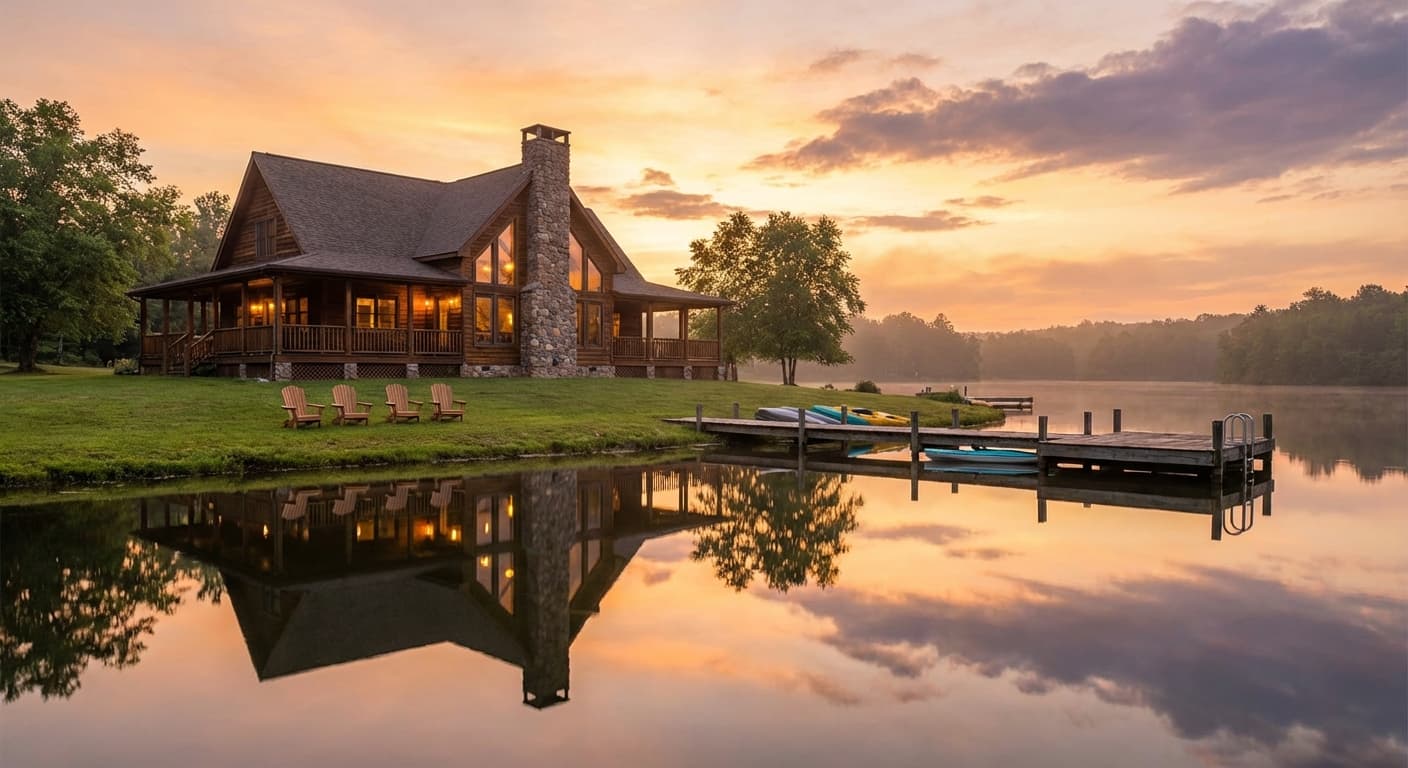
Somewhere in your family, there's a lake house. Maybe your parents bought it thirty years ago. Maybe your grandparents did. Either way, it's now used by siblings, cousins, aunts, uncles, and a growing roster of partners, in-laws, and kids who all feel some degree of ownership over the place.
This is different from co-owning a property with a friend. Family properties come with decades of history, unspoken expectations, and the lingering sense that Aunt Linda contributes nothing to maintenance but always takes the master bedroom.
The Calendar Problem
When your family is small, scheduling is simple. Two siblings, a few summer weekends, everyone gets what they need. Then people get married. Then kids. Then the kids grow up and want to bring their own friends. Suddenly ten adults and six children have opinions about the Fourth of July.
Pick a system and write it down. Rotating priority is the most common and the fairest. Family A gets first pick of summer weekends this year, Family B gets first pick next year. Holidays rotate on a fixed cycle. The important thing is that it's documented, not stored in someone's head. Memory is generous to whoever's doing the remembering.
Some families do a first-come-first-served approach with a shared calendar. This works until it doesn't, which is usually the year someone books every good weekend in January while everyone else is still thinking about it. If you go this route, set a cap: no family can hold more than a certain number of weekends before a cutoff date.
Overlap isn't always bad. Big family weekends where everyone's there at once can be the highlight of the summer. But they should be planned, not accidental. Nobody wants to show up for a quiet weekend with their spouse and find twelve relatives already there.
Who Pays for What
This is where it gets uncomfortable. The roof needs replacing. The dock is rotting. Property taxes went up again. And somebody has to pay for it.
The families that handle this well have a shared fund. Everyone contributes, either equally or proportional to usage. Monthly or annual, doesn't matter, as long as it's consistent. The fund covers maintenance, taxes, insurance, and a reserve for the big stuff. One person manages the account and sends an update once or twice a year. Transparency keeps resentment low.
The families that handle this badly split costs "as they come up," which means someone pays to fix the water heater in March and then spends six months chasing reimbursements from siblings who "keep meaning to Venmo you."
One more thing: usage and contribution should be roughly connected. If one branch of the family uses the place twelve weekends a year and another uses it twice, equal contributions will breed resentment eventually. This is an uncomfortable conversation. Have it anyway. It's less painful than the alternative, which is people going quiet and then blowing up at Thanksgiving.
Maintenance: Whose Job Is It?
Big repairs come from the shared fund. But the day-to-day stuff, the lawn, the leaves, checking on the place in the off-season, that usually falls to whoever lives closest.
This is fine as long as it's acknowledged. Give that person reduced financial contribution, extra scheduling priority, or just say thank you more than you think is necessary. Nothing kills goodwill faster than one family quietly doing all the upkeep while everyone else shows up, enjoys the place, and leaves.
Make a short list of tasks that happen every visit: take out the trash, run the dishwasher, check the sump pump, note anything broken. Post it on the fridge. Rotate the bigger seasonal work: opening in spring, closing for winter, scheduling the dock inspection.
The Rules Nobody Wants to Make
Somebody needs to be the one who says pets aren't allowed on the furniture. Or that the neighbors have complained about noise after 10 PM. Or that the grill needs to be cleaned after every use, not just when it's visibly disgusting.
Family properties tend to avoid written rules because it feels too formal for a place that's supposed to be relaxed. But no rules just means the loudest or least considerate person sets the standard, and everyone else quietly adjusts.
Keep it short. Ten items maximum. Focus on what actually causes conflict:
- Quiet hours
- Pet policy
- Guest limits (can your cousin bring six college friends?)
- Cleaning expectations at departure
- Who to call for emergencies or maintenance
- Property quirks: septic limits, well water conservation, generator usage
A laminated sheet on the fridge works. Nobody's going to read a twelve-page binder, but a short list gets absorbed.
When It Stops Working
Sometimes it does. Families change. Someone gets divorced and the ex still wants to use the place. A sibling moves across the country and stops visiting but still wants their share. The next generation doesn't care about the property the way the previous one did.
Having the systems in place makes these conversations easier. If everyone's been contributing to the fund and using the calendar, there's a record. Buying someone out, adjusting shares, or even selling becomes less painful when the numbers are already out in the open. (And if the question ever comes up about whether to list it publicly to generate income while the family figures things out, it's worth understanding what that actually costs you before you go that route.)
The lake houses that survive to the next generation are the ones where someone sat down and did the boring paperwork. Calendar, fund, rules, point of contact. None of it is fun. All of it beats the alternative.