The Hidden Costs of Turning Your Family Cabin into a Public Rental
Listing your beloved family property on public platforms offers extra income, but often at the expense of privacy, peace of mind, and the personal touches that make it home.
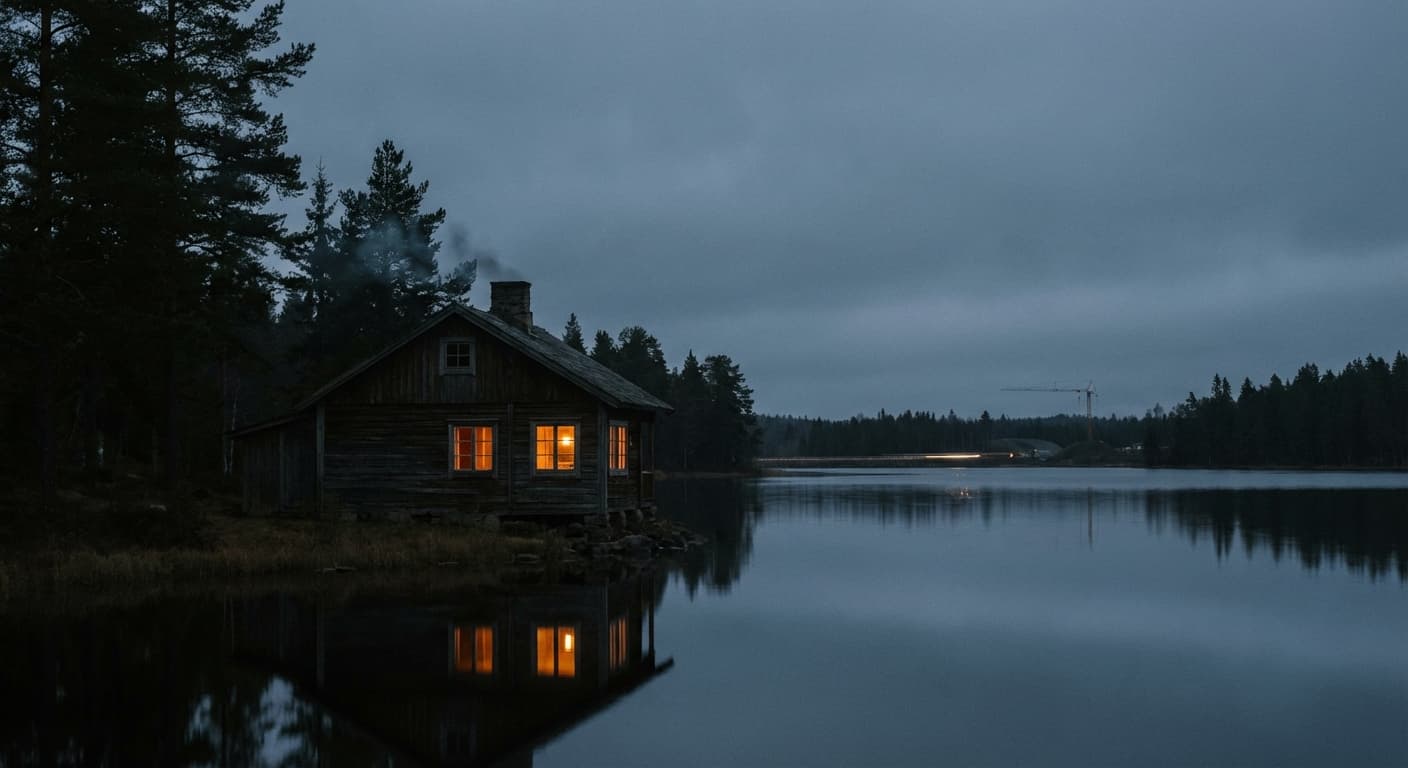
We've all had the thought. You're driving away from the lake house on a Sunday evening, locking up for a month, and you think: "Why is this place sitting empty? We should just throw it on Airbnb and let it pay for itself."
It's a tempting proposition. The promise of passive income is hard to ignore, especially when property taxes and maintenance bills roll in. But a well-structured donation system can offset those costs without going public. But for those of us who view our cabins not as investment assets, but as family heirlooms and personal sanctuaries, the reality of public renting is often much more complicated than the glossy revenue calculators suggest.
Before you hand your keys over to the internet, let's talk about the hidden costs of going public—and why keeping things personal might be the better play.
The "Hotelification" of Your Home
To succeed on public platforms, you have to play the algorithm's game. And the algorithm hates personality.
To avoid bad reviews from strangers who expect a Marriott experience in the woods, you eventually start stripping the place down. You remove the family photos, lock away the good board games, and replace your quirky, comfortable quilts with bleach-able, industrial-grade white linens.
Suddenly, your cozy retreat starts feeling less like your cabin and more like a generic short-term rental unit. You lose the soul of the property in an effort to please the masses.
The Anxiety of the 5-Star Trap
On public platforms, the rating system is broken. A 4-star review is essentially a failure that hurts your search ranking. This creates an immense amount of pressure to be perfect for people you don't even know.
Did you miss a cobweb in the corner? Is the water pressure slightly lower than what a guest is used to in the city? prepare for the anxiety of the review notification.
At Cabyn, we took a different approach. We ditched the inflated star ratings for a simple, honest question: "Would you invite them back?" (and vice versa). When you rent to friends and friends-of-friends, there's a mutual understanding that a cabin is a cabin—not a sterile hotel room.
The "Stranger Danger" Factor
There is a specific kind of stress that comes with knowing a complete stranger is sleeping in your bed. Even with insurance and vetting, public listing sites are designed to maximize volume, not trust. If you've ever wondered exactly how that dynamic plays out, a side-by-side look at Airbnb vs. Cabyn shows why the whole guest relationship works differently when you're not starting from a public marketplace.
When your property is discoverable by anyone with an internet connection, you lose control over who walks through the door. You trade privacy for exposure.
The Loss of Spontaneity
When you commit to a public calendar, you're often penalized for blocking out dates or cancelling bookings. If you wake up on a beautiful Friday morning and decide you want to head up to the cabin for the weekend, you might find your own home is booked by a stranger named Gary from three states away.
Owning a family retreat should mean having the freedom to enjoy it, not checking a reservation calendar to see if you're allowed to visit.
A Better Way: The Trusted Circle
The choice used to be binary: leave the house empty and losing money, or open the floodgates to the public. That's exactly why we built Cabyn.
We believe you shouldn't have to hide your keys under a rock to share your property. By keeping your cabin invite-only, you can:
- Keep the family photos on the wall: Guests are people you know and trust, so the house stays a home.
- Trust your guests: With our Vouched Guest system and Network Trust, you aren't renting to strangers; you're renting to your circle and the people they vouch for.
- Set your own rules: Want to create a "Family" tier that books for free and a "Friends" tier that covers costs? You can do that.
Your cabin is special. It deserves to be shared, but it doesn't need to be exposed. Keep it private, keep it personal, and keep the memories intact.