Who Gets an Invite to the Cabin
Your cabin isn't a public rental — the guest list is yours to control. Here's how to think about who to invite, when to expand the circle, and how to handle the awkward asks.
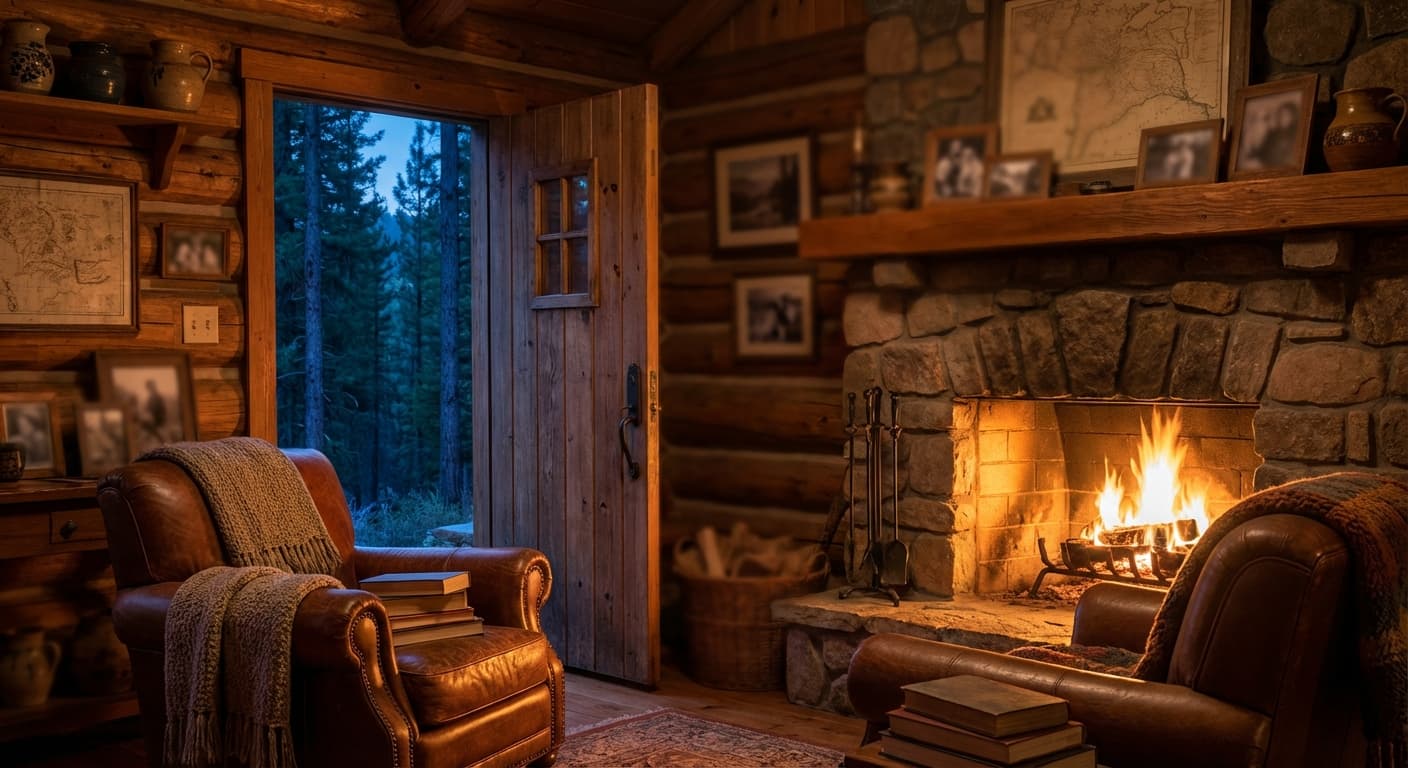
The whole point of sharing a cabin privately is that you choose who comes. No strangers, no algorithms, no reviews from someone named TravelGuy87. Just the people you trust with your place.
But "the people you trust" is a fuzzy category, and it gets fuzzier over time. Your best friend wants to bring her new boyfriend. Your cousin asks if his coworkers can use it for a team retreat. Someone's teenage kid is now 22 with friends of their own. The circle wants to expand, and you're the one holding the door.
Start With Who You'd Give a House Key
There's a simple gut check for your initial guest list: would you hand this person a key to your house and leave town for a week? If yes without hesitation, they belong on the cabin list. If you paused — maybe not yet.
This isn't some exclusivity thing. A cabin is remote, often unmonitored, and full of systems that go wrong in expensive ways when handled by someone who doesn't know the drill. A burst pipe at your house in the suburbs is an insurance call. A burst pipe at a cabin 90 minutes from the nearest plumber, in January, with nobody there to notice for two weeks — that's a five-figure problem.
Your first ring should be people who'll treat the place like it's partly theirs. Close family, old friends who've demonstrated they're responsible adults. Low oversight, high trust.
The "Can I Bring Someone?" Conversation
Happens within the first season, guaranteed. Someone wants to bring a friend, a new partner, a cousin you've never met.
This is mostly fine. But decide on a policy before the question lands, because making it up on the spot leads to inconsistency, and inconsistency leads to people feeling slighted.
Three approaches that work:
- Plus-ones always welcome, no need to ask. Simplest. Good if your list is tiny and high-trust. Downside: you'll eventually have strangers at your cabin, and if something goes wrong, the social math gets weird fast.
- Plus-ones welcome, just text me first. The sweet spot for most people. You're not gatekeeping — you just want to know who's sleeping there. "Bringing my friend Jake, he's solid" is all you need to hear.
- New faces get a direct invite from me. More controlled. Your guest introduces you, you decide. Good for places with expensive or fragile systems where a learning curve matters.
Pick one. Say it once. Stick to it.
Growing the Circle
At some point you'll want to add people. A friendship has deepened. Someone's partner has been tagging along for years and should probably be able to book independently. Or your property can handle more use and more people splitting costs would help.
Invite after the friendship exists, not to create one. "Come to the cabin" shouldn't be your third conversation with someone. Wait until you know them well enough to predict how they'll behave unsupervised in your house. Which, if you think about it, is a pretty high bar — and it should be. This is the core difference between a private cabin and a public rental: on Airbnb, anyone can try to book and your job is filtering them out; here, nobody gets in unless you let them in.
Let your existing people vouch. When a current guest says "you'd love my neighbor, he's been to a dozen properties and always leaves things better than he found them," that means something. A personal recommendation from inside the circle is worth more than any amount of your own guessing.
First visit should overlap with someone who knows the place. Don't hand new guests the keys and say good luck. Have them come on a weekend when a veteran guest is there too. They learn the water heater, the tricky lock, the septic rules — and you get a low-pressure trial run. You can share our guide on what to expect when you're invited to someone's cabin to set expectations early. If it goes well, solo bookings next time.
Saying No
No way around this one. Sometimes the answer has to be no.
Your sister-in-law wants to send her college roommate's family for a week. Your neighbor floats the idea of his company holiday party at the cabin. Someone you invited once in 2023 suddenly reappears wanting the Fourth of July.
It's your property. You can decline.
A few ways to do it without making things weird:
- "We're pretty booked through the summer." Your own use counts. You don't owe anyone your open weekends.
- "We're keeping things smaller this year — dealing with some maintenance stuff." True enough, and nobody argues with maintenance.
- For anything commercial — the retreat, the team-building thing, the "content creation weekend" — just: "We keep the cabin for personal use." Period. No apology.
The first time you say no feels awful. By the third or fourth, it's just part of owning a shared property. Like changing the propane tank or cleaning the gutters — not fun, but it keeps things running.
When to Pull Back
Rarer, but it happens. Someone who was a great guest three years ago has gotten sloppy. A friendship has faded and the cabin visits feel more like obligation than anything either of you enjoys. Or someone did something specific — left the place trashed, broke something and said nothing, brought people without asking.
For the slow fade: stop extending invitations. Most people will read the room without you spelling it out. If they ask directly, be honest: "We've got a lot of family use planned this year" or "we're scaling back." Kind but clear.
For the incident: you need a real conversation. "After what happened last time, we're going to take a break from having you up for a while." Uncomfortable? Yes. Less uncomfortable than the slow burn of resentment every time you see their name on the calendar, though. And every other guest on your list benefits from you holding the standard. It's easier when you have a clear self-clean departure system in place.
Build the list slowly. A cabin guest circle is something that forms over years, not something you fill out the week you buy the property. Start with the people you'd trust with anything, add deliberately, and don't feel guilty about protecting what you've built. The guests who understand that are exactly the ones you want.