Bringing Kids to the Cabin
A cabin weekend with kids is a different trip than one without. Here's how to set it up so everyone — adults included — actually has a good time.
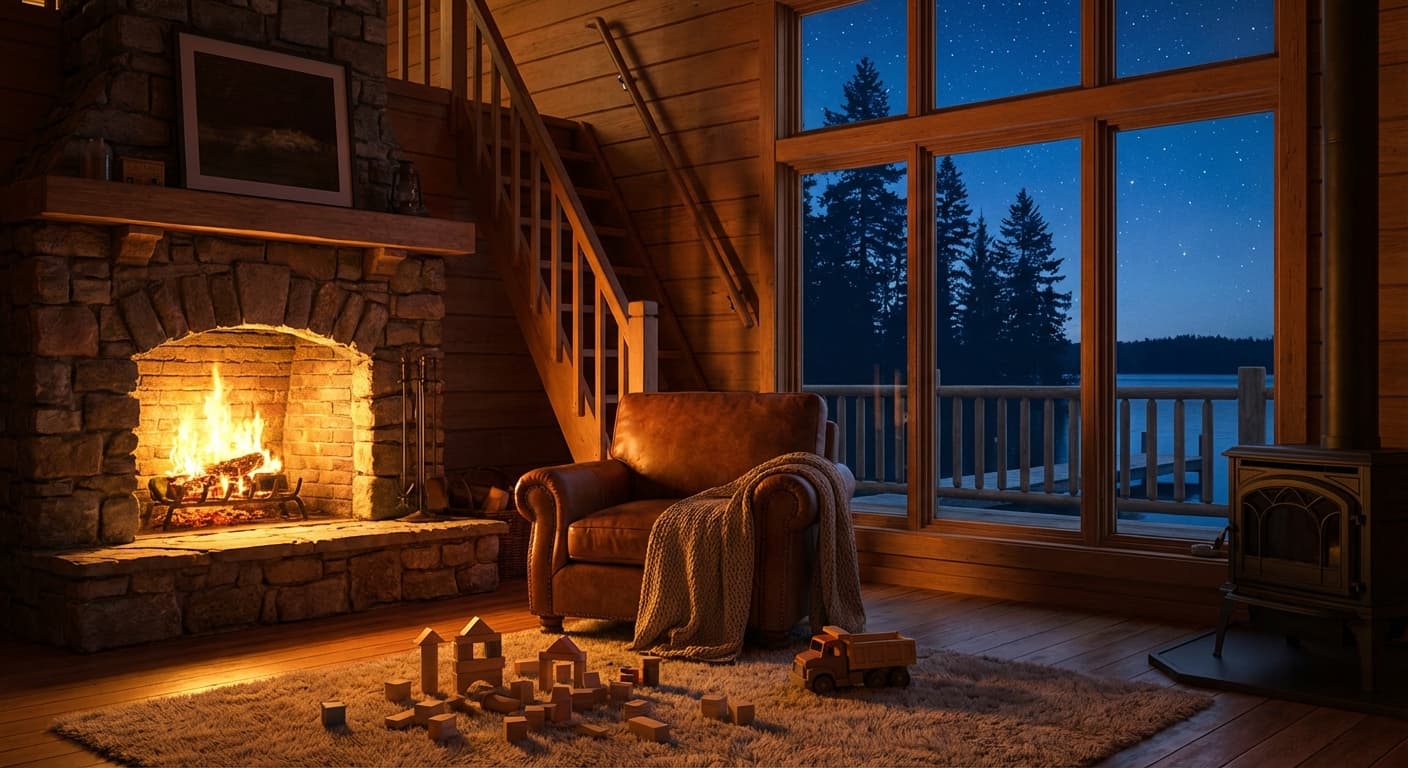
A cabin trip with kids is a different animal. The pace changes, the logistics multiply, and things adults barely register — the dock with no railing, the steep loft stairs, the wood stove at shin level — become urgent concerns the moment you pull in.
But kids at the cabin is also the kind of experience people remember for decades. The fishing, the campfires, the freedom of tearing around outside in a way that doesn't happen at home. It's worth the extra work to get there.
Before You Go
Talk to the host. If this isn't your property, check in before you confirm. Is the place kid-friendly, or at least kid-tolerant? Any hazards worth knowing about? Sleeping arrangements that work for small children? Most hosts are happy to have families — they just appreciate a heads-up so nobody's surprised by a toddler at the top of the loft ladder. If you're new to cabin visits in general, read up on what to expect when you're invited to someone's property.
Adjust the packing list. On top of normal cabin packing, kids add:
- Extra layers. They get cold faster, get wet more often, and lose clothing in the woods at a remarkable rate. Pack a spare of everything.
- Rain gear. A rainy day for adults means books and board games. A rainy day for kids who can't go outside is slow-motion chaos. Boots and jackets let them play out regardless of weather.
- A flashlight for each kid. They'll use it for everything — walks to the car, exploring under the porch, dramatic campfire storytelling, reading under blankets. A $5 headlamp from the hardware store is one of the best investments you'll make.
- First aid extras: children's pain reliever, more Band-Aids than seems necessary, bug bite cream, tweezers for splinters. You'll use all of it. Check what's already stocked at the cabin before you double up.
- Road trip entertainment. The drive to the cabin is often longer than what they're used to, and cell service drops well before you arrive. Download something, bring coloring books, and pack road snacks separately from cabin groceries.
Safety Without Paranoia
A cabin is not a childproofed house. Part of the appeal is that it's a bit rougher around the edges — a little manageable risk is how kids learn. But a few hazards deserve real attention.
Water. If you're on a lake or river, this is the one. Kids near water need constant eyes on them. Non-swimmers wear a life jacket near the water, every time, no debate. Even strong swimmers buddy up. Drowning is silent and fast.
The wood stove. At kid height, a lit stove is a burn waiting to happen. If yours are still in the grab-everything phase, put up a gate or barrier. Older kids get one clear conversation about what's hot and where not to touch — they're usually fine after that.
The dock. Lots of cabin docks have no railings. A three-year-old at full sprint changes the calculus. Know which kids need a hand and which ones can handle it.
Lofts and stairs. Steep, narrow cabin stairs are standard. Some places have actual ladders to sleeping lofts. If you've got a toddler, figure out sleeping arrangements before someone's climbing a ladder at 2am in the dark. Air mattress downstairs might be the move.
Do a five-minute walk-through when you arrive. Spot the specific hazards at this property, point them out to the kids, and move on with your weekend. You don't need to bubble-wrap anything.
Let Them Be Bored
This is the hardest part for parents used to scheduling every hour. At the cabin, unstructured time is the whole point. And kids are surprisingly good at filling it — if you step back.
Hand them sticks, rocks, dirt, and a boundary ("stay where I can see you" or "don't go past the big tree") and see what happens. They'll build something. They'll invent a game with rules only they understand. They'll dig a hole for no reason and be completely absorbed for an hour.
You don't need a nature scavenger hunt or a Pinterest-worthy craft project. Boredom at a cabin is productive boredom. It's how kids figure out that throwing rocks in the lake is endlessly satisfying, or that catching frogs is the most thrilling activity available to a seven-year-old human.
A few things to have in your back pocket for when you do need them:
- Fishing, if you've got gear and the patience for baiting hooks and untangling lines
- A hike with a specific destination — a waterfall, a lookout, a weird tree. Give it a name and it becomes an expedition.
- S'mores at the fire pit. Non-negotiable.
- Cards or board games after dark. UNO has survived more cabin weekends than any game ever made.
- Stargazing. Cabin skies are dark enough to see things they've never seen from home. A free star map app on your phone turns this into a twenty-minute event that blows their minds.
The Sleep Situation
Nobody sleeps great the first night in a new place. Kids especially. New room, new sounds, a bed that's not theirs.
Bring their pillow and a blanket from home if they're young enough for it to matter. The more their sleep setup resembles normal, the faster they settle.
Expect early mornings. Cabin windows don't have blackout curtains, and birds don't care that you stayed up until midnight. Bring an eye mask for yourself and accept that 6am is your new reality.
Be flexible on arrangements. The floor, an air mattress, a couch-cushion fort — kids will sleep in setups that would cripple an adult's back and call it the best night ever. Let them. The rigid bedtime routine from home can stay home.
The Trip They'll Talk About
My kids have been to hotels with pools. They've been to beach resorts with kids' clubs. Ask them about their favorite trip and they'll tell you about the cabin — the fish they caught, the marshmallows they burned, the night the power went out and we played Crazy Eights by candlelight while the wind rattled the windows.
Something about a cabin gives kids an experience they can't get anywhere else. A little wild, a little uncomfortable, entirely different from their daily life.
Pack the extra layers, do the walk-through, and then mostly get out of their way.