Before You Say Yes to the Dog
Most hosts don't think about pet rules until someone texts asking to bring their dog. By then it's too late to say no without it feeling personal.
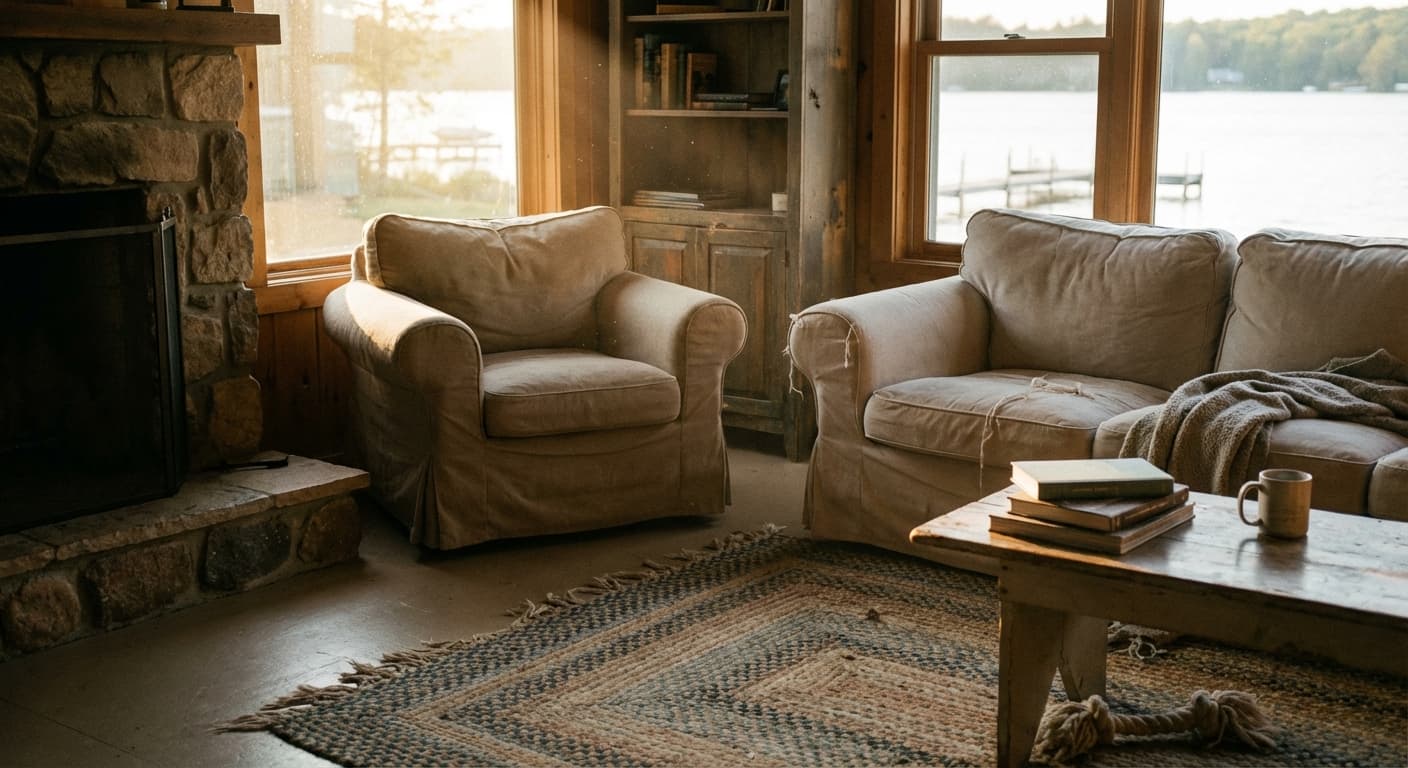
The question usually comes in a text message, about two weeks before the trip: "Hey, is it cool if we bring Max?"
And you want to say yes. Of course you do. Max is a great dog. You've met Max. But after a few years of sharing a property, you learn something: every dog is a great dog according to its owner, and your lakefront cottage might disagree.
Just Have a Policy
The mistake most hosts make with pets isn't being too strict or too lenient. It's not having an answer ready before someone asks. Without a policy, every request becomes a judgment call. Do you like this person enough to risk muddy paw prints on the couch? Is their dog actually well-behaved, or are you just taking their word for it?
Write something down. "Dogs welcome with advance notice" or "No pets, sorry" or "Dogs allowed outdoors only." Whatever fits your place and your comfort level. Having it written means the conversation becomes about the policy, not about the friendship. And you're not making it up on the fly when your buddy texts you about Max.
If your place is on Cabyn, put the pet rules in the property description and the house manual. Every guest sees the same thing.
What "Dog-Friendly" Actually Requires
Saying "pets welcome" without details is asking for trouble. Dog-friendly at a campground with ten acres means something very different than dog-friendly at a beach condo with new carpeting.
Things worth deciding before someone shows up with a leash:
- Where can the dog go? Everywhere, certain rooms only, outdoors only? A lab on a screened porch is fine. That same lab on your white duvet is a different situation.
- Size or number limits? One dog is manageable. Three dogs from three different families at a group weekend turns into chaos. And some insurance policies have breed or size restrictions worth knowing about.
- Who handles cleanup? The yard and the interior. "Please vacuum any dog hair before you leave" is reasonable, but don't assume people will do it without being told. If you run a leave-it-better system, add pet cleanup to the departure checklist.
- What about other animals? Your "pet policy" probably means dogs. If that's the case, say so before someone asks about their cat. (Or their parrot. This has happened.)
The Furniture Problem
Some hosts couldn't care less if a dog hops on the couch. Others just spent $1,200 on that couch.
If you don't want dogs on the furniture, say so and then make it easy to comply. A $30 dog bed in the living room and one in the guest bedroom eliminates most of the problem. You're not the person saying "keep your dog off my stuff" to a friend. You're the person who bought dog beds, which is a very different look.
Washable couch covers help too. Keep them in a labeled closet. Takes two minutes to set up.
When Something Gets Chewed
It will happen eventually. A door frame, a deck railing, a baseboard that smelled fascinating for reasons only the dog understands.
With close friends and family, a formal pet deposit feels strange. But having no understanding at all is worse. You end up either eating the cost or having the most awkward text thread of the year. Better approach: note in your policy that guests cover repair costs for pet damage. Not a deposit, just a stated expectation. Most people offer to pay the moment their dog scratches your screen door. The policy is for the ones who don't think of it.
For properties with more regular turnover, a small cleaning surcharge for pet visits works. $25-50. Covers the extra vacuuming and whatever the dog did to that one spot on the rug.
Your Neighbors and Your Insurance
If your property has neighbors within earshot, barking matters. A dog that goes off at 6 AM because it saw a squirrel doesn't just affect your guests.
Short version for the policy: "Dogs must not be left unattended outdoors" and maybe "if barking becomes an issue, we'll need to revisit." You're not being difficult. You're being a good neighbor, even if your nearest neighbor is across the lake.
Also worth checking: your homeowner's or property insurance. Some policies exclude animal bites. Some restrict certain breeds. If something happens at your property involving a guest's dog, you want to have already read the fine print.
Saying No Is Fine
Not every property works for dogs. Small space, no fenced area, near a busy road, fragile finishes. All valid reasons.
The key is being honest about why. "We don't have a fence and we're right off a county road" is a reason people respect. A flat "no dogs" with no context just makes them think you don't like Max. And you like Max. You just don't want Max at the lake house unsupervised near a highway.